
Whicker on Devil's Island
Exposing France's Dirty Secret

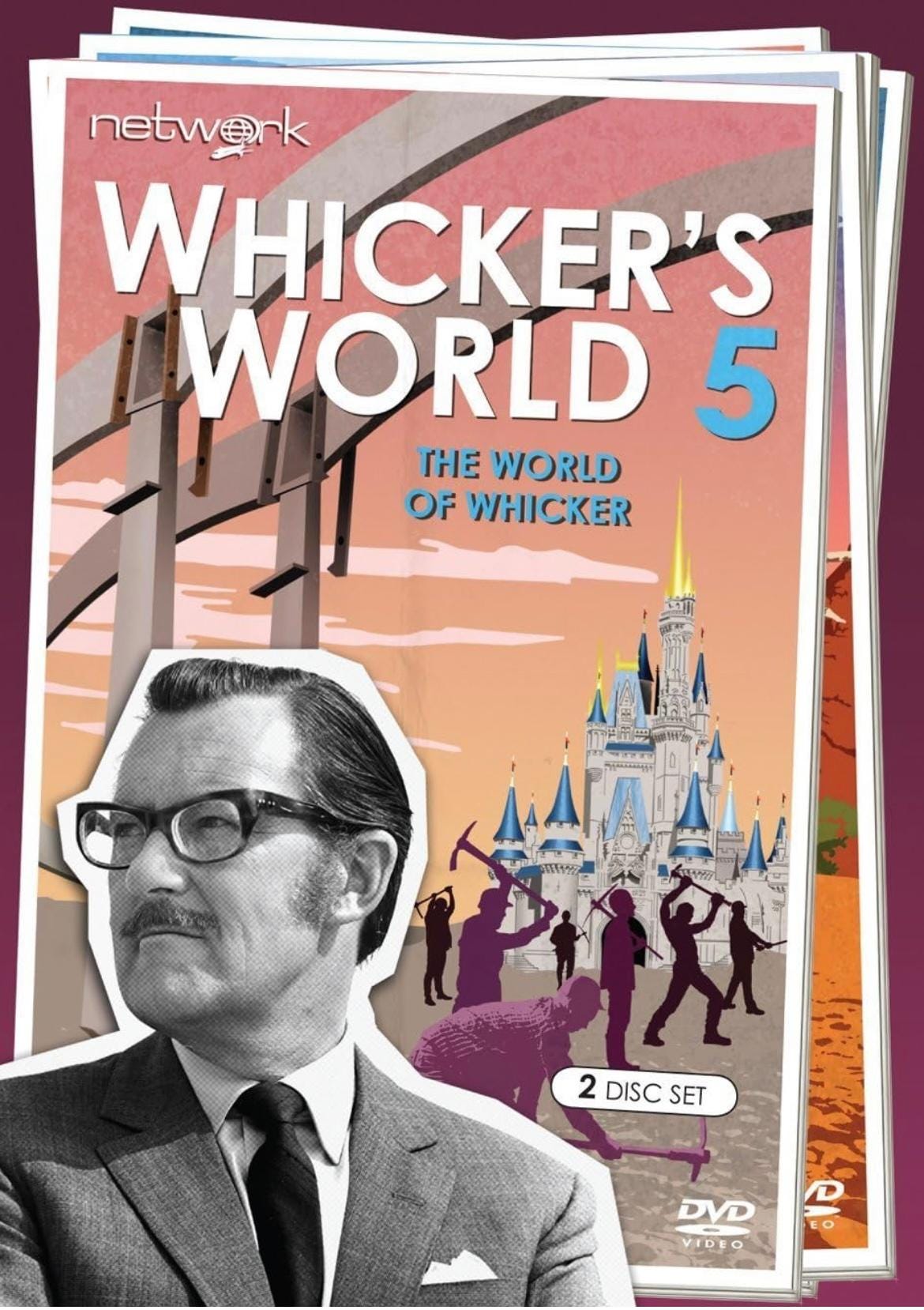
Alan Whicker (1921-2013) was probably the most popular and respected TV journalist of his time, which kicked off with his contributions to BBC Tonight programme. His TV career flourished through the ‘60 and ‘70s, with his globe-trotting reportage on the good, the bad, the glamorous and the sordid. Watched by millions, Whicker was such a national institution that it was pointless to wonder which side of the political fence he sat on. You just knew he wasn’t feeding you shit.
As a true-Brit officer, in January 1944, he landed on Anzio Beach, survived the slaughter and went on to supervise the Army Film Unit as the Allies pushed towards Rome and points north. Sixty years later (2005) octogenarian Whicker returned to Italy, revisited the war sites, including the square in Milan, where he filmed what was left of Mussolini after the communist partisans summarily executed him. Whicker, didn’t hold back in criticising American and British generals whose outdated tactics delayed victory over the Nazis and cost countless lives. Whicker’s War (2005), which tells the story, is on Youtube.
As is an episode of Whicker’s World from 1971: Devil’s Island - the Dry Guillotine. If you want to know what television was once capable of, it’s compelling. Just off the coast of Guiana, the French ran a penal colony on the island from 1852 to 1952. Twenty years after its closure there is Whicker, impeccably sporting a light grey suit and black tie, standing under the Cayenne palm trees, overlooking a picaresque looking island out in the ocean. Speaking directly to camera, Whicker says there are a few places in the world whose names have such impact that they just have to be spoken to conjure up an instant image. Some places - Hollywood for instance - suggest a way of life. He then points out to sea: “and that little palm-covered rock is one of those; that rock suggests a way of life and a way of death, a symbol of horror that can still haunt our imagination, and that is Devil’s Island”. And that’s it; you, as 1971 telly-addict, were intrigued and hooked.
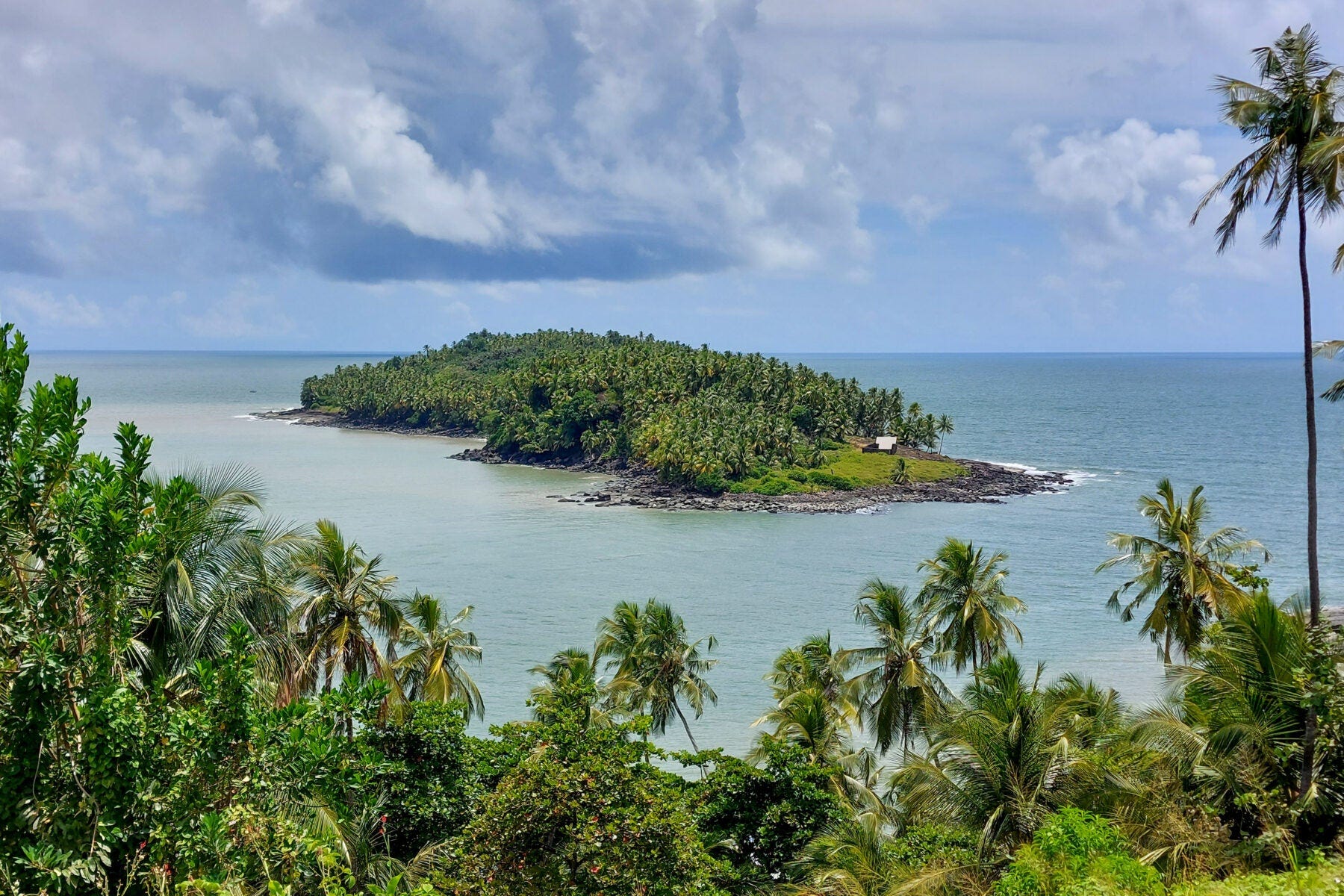
Whicker, having ignored the disapproval and obstructions of the French colonial bureaucrats who would have preferred to forget about this French Death Camp (not to mention inmate Alfred Dreyfus, the Jewish army officer framed by proto-fascists in1895),smuggles himself and his crew across the water to poke around the festering ruins rapidly being reclaimed by the tropical jungle, and interview surviving former inmates who chose not to return to France. And he does so without messing up his suit.
Yes - missed the link. They do not make them like that any more - how come they all spoke English? Whicker was actually very eloquent - suit and all! Makes me wonder whats happened to the place now 🤔
Very humorous piece. But it seems to stop halfway through? What did he find exactly? From your viewpoint or have I missed something. I remember him well myself - always intriguing and well dressed.