
Stocking Filling Time
Ignore the Spectacle. Read a Book

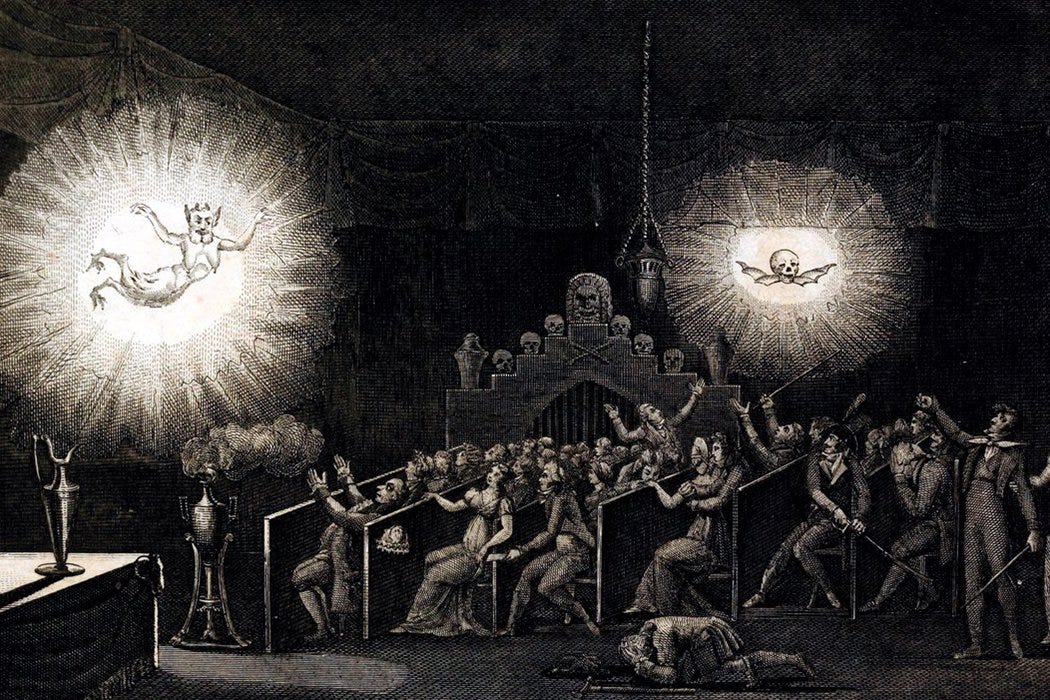
All BPC books are available Amazon OR (for Amazonphobes)as ebooks via world libraries (such as Bibliotheca)
(In order of publication date)
January 2025
(Ebook, also in paperback)
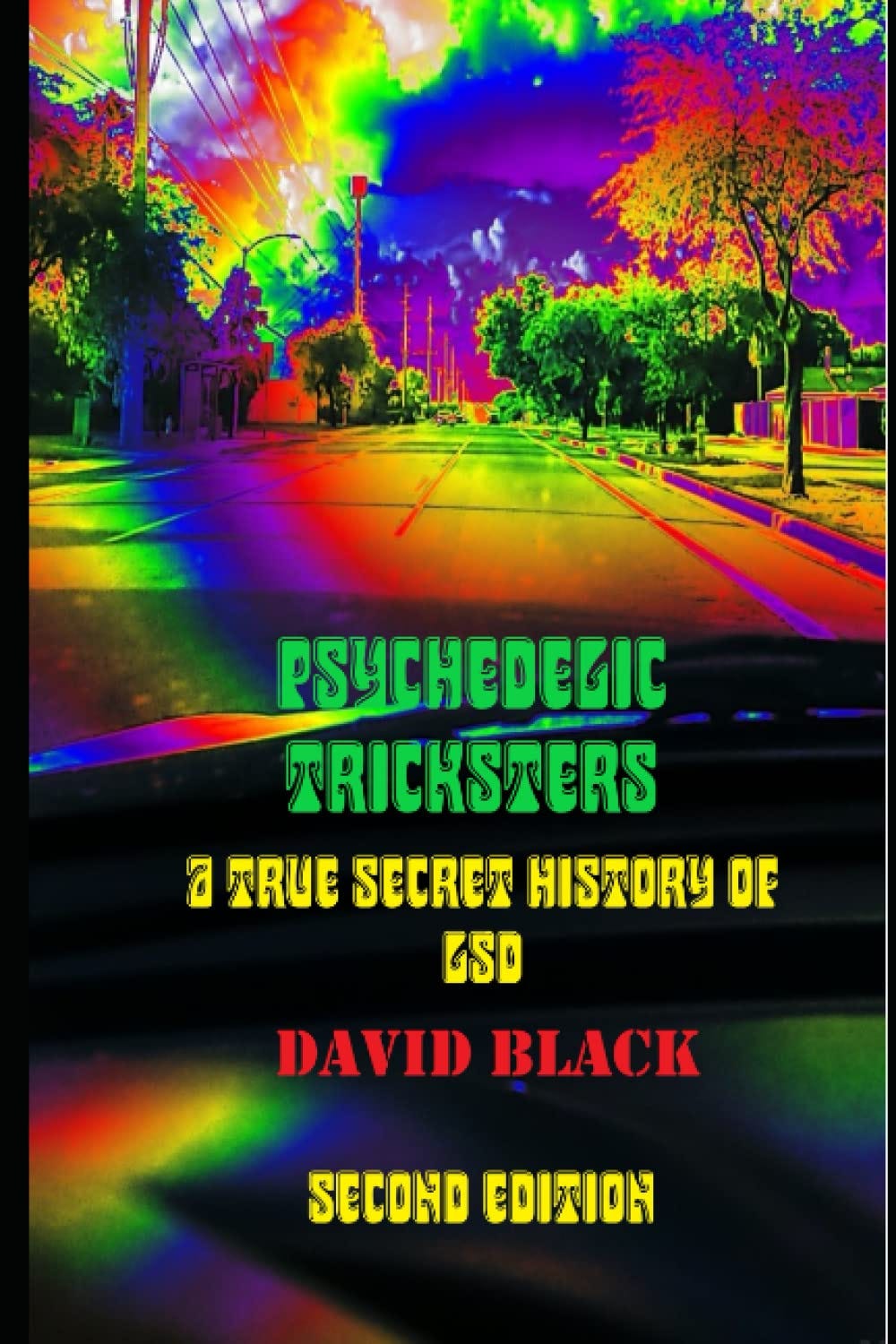
Psychedelic Tricksters: A True Secret History of LSD (New Edition)
by David Black
“I recommend this. It’s more accurate than others” - Tim Scully (former LSD chemist for the Brotherhood of Eternal Love)
February 2025
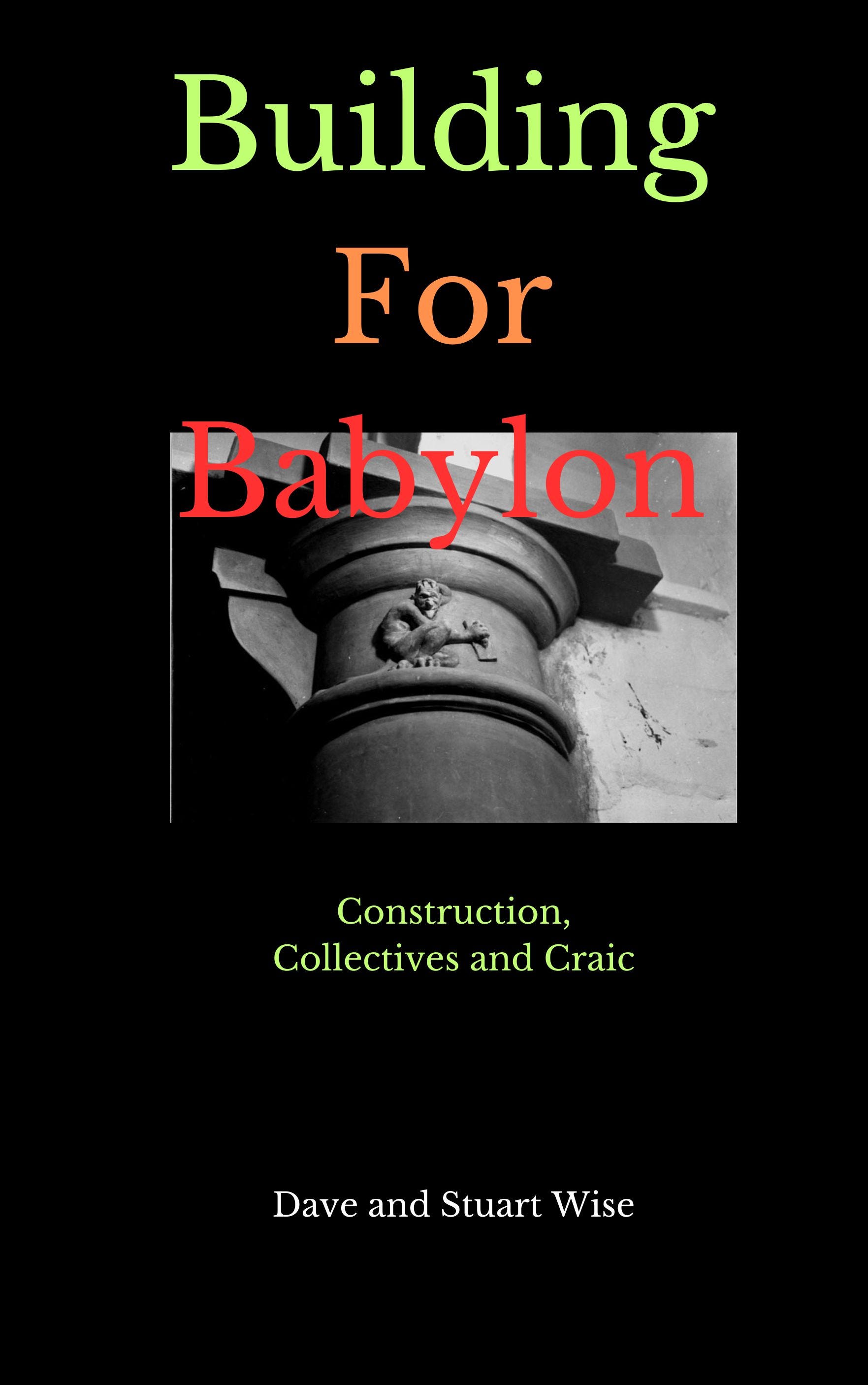
Building For Babylon: Construction, Collectives and Craic
by Dave and Stuart Wise
Inspired by Robert Tressell’s classic novel, The Ragged Trousered Philanthropists, Building For Babylon offers an irreverent ‘true life’ accounts of work on the ‘buildings’ 100 years later. Ironically, the Wises developed an anti-art ethos while at art school, under the influence of Surrealist and Situationist ideas. When prospects for social revolution faded in the 1970s, the Wises dug out their tools and formed a building workers collective. They describe how what passes for modern Art lives on in the phantasmagoric world of the construction industry and its rackets.
March 2025
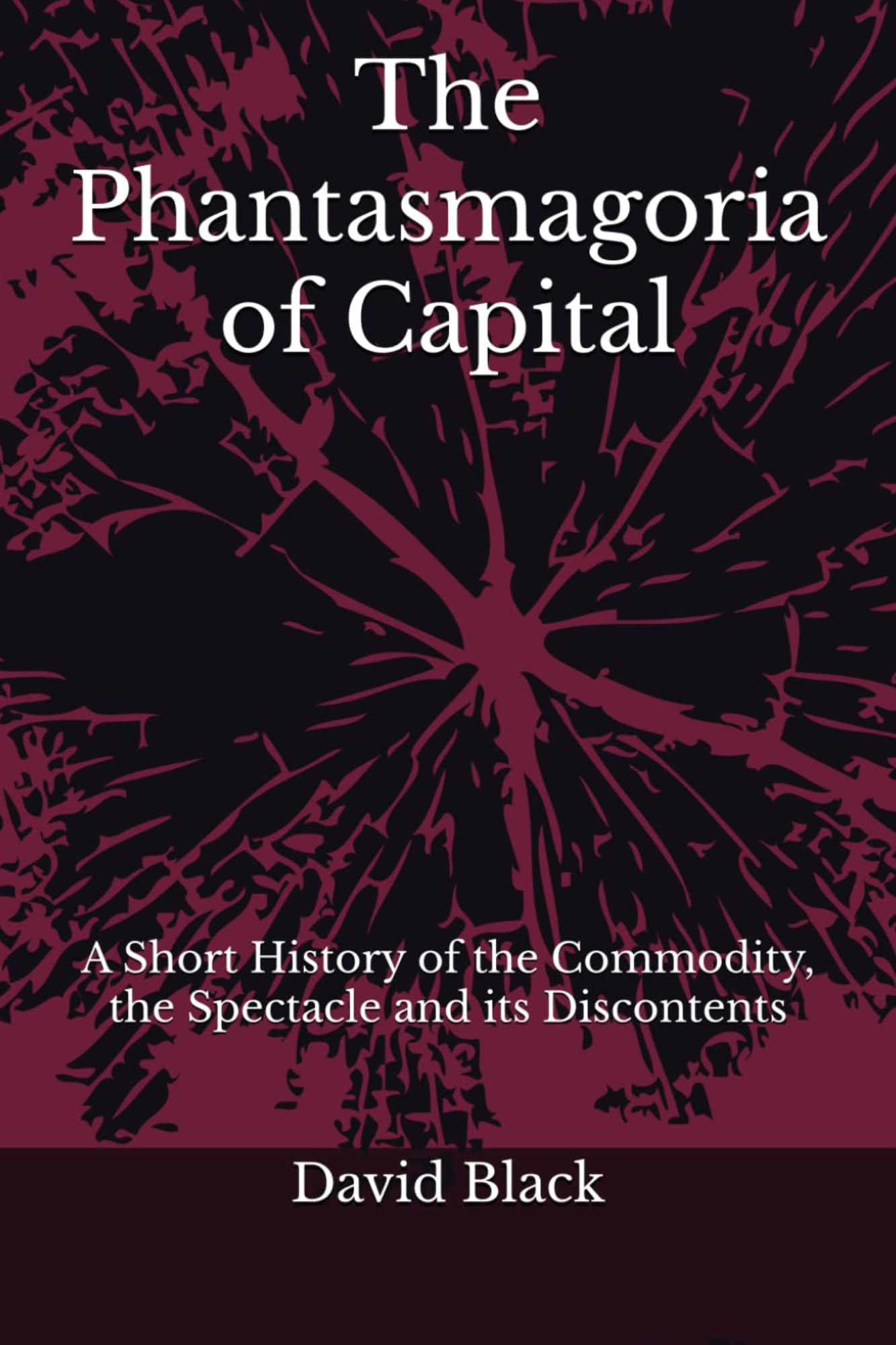
The Phantasmagoria of Capital: A Short History of the Commodity, the Spectacle and its Discontents
by David Black
The essays in this book chart the development of ‘culture’, from the beginnings of monetised society in Greek Antiquity to the commodified ‘Society of the Spectacle’ and world of ‘Globalisation’. Culture, art, religion and philosophy are examined in relation to the forces of both social revolution and social domination.
October 2025
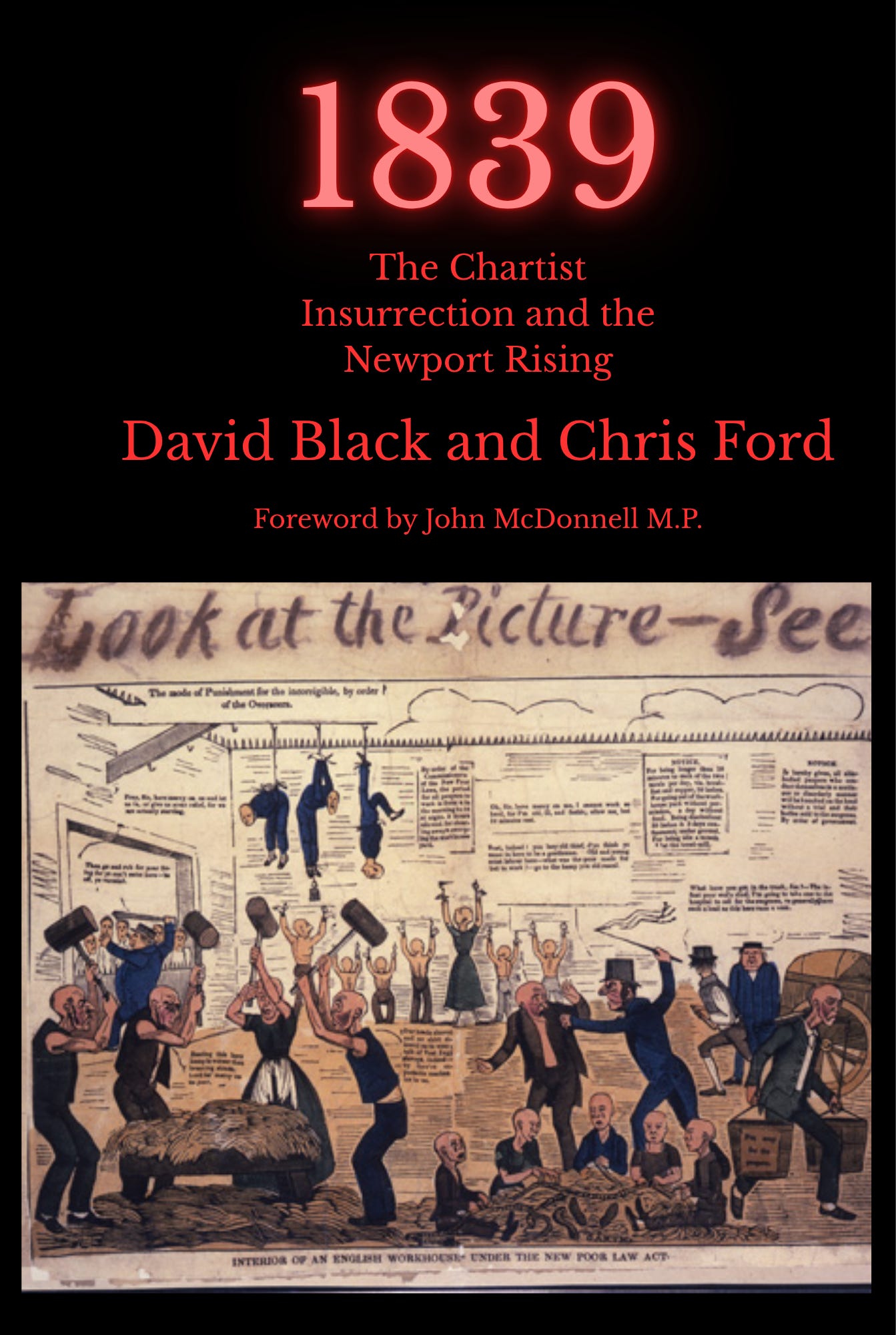
1839: The Chartist Insurrection and the Newport Rising
by David Black and Chris Ford, with Foreword by John McDonnell MP
This historical narrative presents a history of the Chartist Insurrection of 1839, from the launching of People’s Charter Campaign for universal male suffrage in late-1838 to the Newport Rising in November 1839 and the ensuing campaign to save John Frost and co-leaders of the Rising from execution.
The story is told through reference to primary as well a secondary sources: the Chartist and radical press of the time, intelligence reports, and military/government correspondence. This book doesn’t just address the neglect of this important episode in Labour movement history;-more importantly it challenges us to think again about the revolutionary potential of the British Labour movement.
SOME REVIEWS OF THE FIRST EDITION
Ben Watson’s blurb-on-the back says: ‘In retrieving the suppressed history of the Chartist Insurrection, David Black and Chris Ford have produced a revolutionary handbook.’
Dan La Botz, New Politics
Black and Ford have written a fast-paced, narrative history of the 1839 Insurrection, filled with thumbnail sketches of the Chartist movement’s major figures, descriptions of the most important Chartist organizations and their politics in brief, excerpts from contemporary speeches, and parliamentary debates, and wonderful descriptions of the movement’s rise, growth, and spread throughout Britain. All of this is based on the most masterful command of the sources: newspapers, parliamentary records, memoirs, private papers, and all of the secondary literature. They tell their story in the most straightforward way but at a breathtaking clip that contributes to the sense of the excitement of the movement and its culmination in the insurrection.
Stephen Roberts, People’s Charter
I read this book in one sitting as I sheltered from the pouring rain at Bodnant Gardens in North Wales. Based on a wide range of secondary sources and easy to read, it provided a welcome way of spending a few hours whilst waiting for the weather to clear (it didn’t!). The authors tell the story of a year when they assert the conditions for a working class revolution existed... For the authors a hero of the Chartist story emerges... George Julian Harney. And rightly so: Harney should be a hero to us all.
R. Reddebrek, Goodreads
A very detailed and readable account of the early Chartist movement, its origins the personalities that came to dominate it and the events that spurred it on to physical force demonstrations culminating in the attempted insurrection in Southern Wales.
Sharon Borthwick, Unkant Blog
This was an exciting time... Dave Black and Chris Ford bring this time alive with this thoroughly researched book which includes many first hand accounts of meetings, battles and the colourful protagonists, many of who fully supported ‘ulterior measures’ in other words arming themselves, should parliament reject the petition for universal male suffrage which really they knew was a foregone conclusion...
James Heartfield, Spiked Online
David Black and Chris Ford’s account of the Chartist uprising of 1839 is also written in part to save these agitators from the condescending judgement of an Althusserian, in this case Gareth Stedman Jones, whose ‘fear of agency’ cannot recognise Chartism’s self-conscious attempt to overthrow ‘old Corruption’... Black and Ford make a good case that, though the technology they worked with was not for the most part industrial, the core of the Chartist movement was much more than an outgrowth of radicalism... Black and Ford do not flatter the Chartists unduly, nor make them into cartoon heroes. All the weaknesses of the organisation are confronted here.
Adam Buick, Socialist Standard
The insurrectionary element in the Chartist movement has fascinated left-wing historians who see in it a frustrated revolutionary potential from which a modern vanguard can learn lessons. 1839 –The Chartist Insurrection, is a compelling read, telling the story of Chartism through the experiences of George Julian Harney and other ‘firebrand’ Chartist leaders such as Dr. John Taylor and examining the ill-fated Newport Rising of 1839. The authors provide a vivid account of the revolutionary potential that had built up in Britain by the late 1830s, culminating in the aborted rising at Newport.
MORE BOOKS - SEE BPC WEBSITE
Greetings David, I’ve been following your work for a little while, and I really appreciate the depth you bring to these topics.
I explore something similar, but from a slightly stranger angle: forgotten travel narratives, old geographies, and the ideas they obscured from modern history.
My latest piece dives into an obscure book that records giant beings with a clarity that raises more questions than it answers.
If that kind of thing interests you, here’s the link:
https://open.substack.com/pub/jordannuttall/p/the-history-of-giants?r=4f55i2&utm_medium=ios
Another of those meetings! Been to a few…what’s the book.