
Machine Life: E.M. Forster's Subterranean Nightmare
A Guest Post by Pete Baxter


Thanks to Pete Baxter — currently archiving and drumming in Australia - for the following reflections on my post of 20 February The Machine Doesn’t Stop.
“No one confessed the Machine was out of hand. Year by year it was served with increased efficiency and decreased intelligence. The better a man knew his own duties upon it, the less he understood the duties of his neighbour, and in all the world there was not one who understood the monster as a whole. Those master brains had perished.”― E.M. Forster, The Machine Stops
How do you counter the reality and the aspiration of the owners of the unstoppable machine? Is the cessation of the machine possible? Systems seek enclosure, but the human hard drive knows nonsense and love. Get on up.
As a teenager I wrote a song inspired by E.M. Forster’s 1909 novella, The Machine Stops:
Stuck inside our tin machine,
Close to death, we cannot breathe,
[something, something, something] we have seen,
Strangled in the garments we did weave.
It didn’t go down well with my bandmates in The Lemon Revolution. I prefer to think it lacked commercial potential, but our differences were musical and aspirational. I was into techno, D.I.Y. and cheap, sweaty fun in basements. And the other members were up for well-lit stadiums and golden-oldie repetitions.
Rereading it now, what strikes me is that homelessness is salvation. Expulsion from the Machine-Life is framed as punishment. Banishment from the central business district to the underground becomes lifesaving. The Machine brings everything, as smartphones do now. Older machines — blimps — become superfluous and relics.
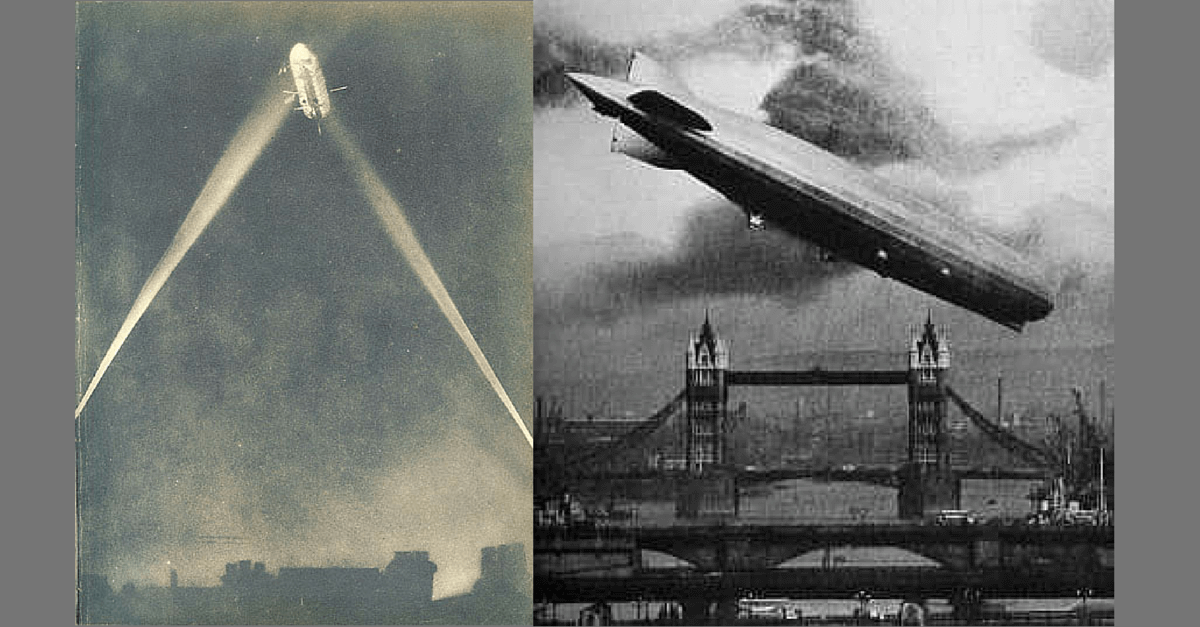
Between May 1917 and May 1918, more than 300,000 people sheltered in the London Underground from German airships — double the number regularly sheltering there during the height of the Blitz in September 1940, according to the Imperial War Museum and the London Transport Museum. It was homelessness in the Underground that saved them from the fish-shaped fossils of the sky.
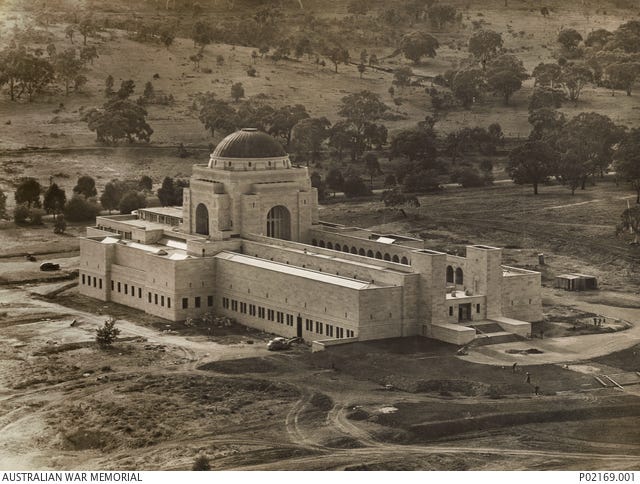
I am writing this from Canberra, Australia, knee-deep in bureaucratic cablegrams. Documents from the past have been brought to the surface for re-examination. It’s when I leave the archive and walk the city’s geometric alignment of national monuments — the architect’s, Griffin, democracy in concrete and turf made uncanny — I keep wondering what was here before. Land and stars? Were previous inhabitants forcibly removed? The city feels hollow because it was built to be looked at rather than lived through. Monumental planning and infrastructure falters in adverse weather. Sumps slump as storm water finds its old waterways. The Australian War Memorial, however, sits immaculate, like a well-kept stain.
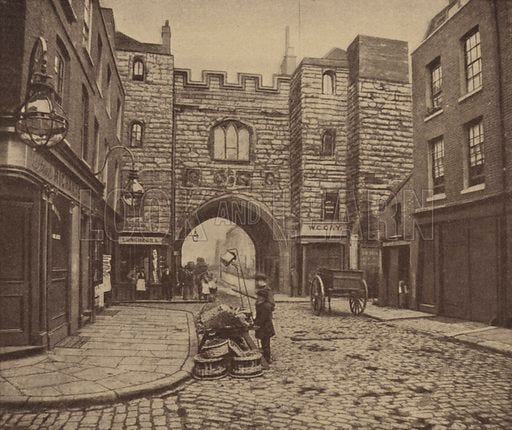
My home in Clerkenwell, London, by contrast, has its accreted pubs, libraries, post boxes, cobbles, churches, Spa Fields, the old well, the House of Detention now luxury flats, the Old Sessions House now offices, the real Gryphons of Holborn Viaduct, and, of course, our band AMMAS live at the Betsey Trotwood pub — culture as sediment of use, need, oppression, commerce, toil, repair and not geometry imposed.
What moves me most in Canberra is the homeless chap at the bus interchange asleep in a different doorway each morning, and the others gathering on a patch of grass to socialise. Living transmission. Living appropriation. However antisocial urban development is, humans gather in the same places. Progress cannot prevent congregation, which swoons and swells in the wake of every human smile and wave, shifting the hard shoulder, jamming the metaphor congestion, in the land of lost socks, ad infinitum.
The desire for a colonial continuum amid memorials to phoney pharaohs and sight beyond sight technology is also a desire to be legible and profitable before material conditions blow foundations sky high. They must know. The bunkers they build are their last refuge of reassurance. The relationship to the world before them required no tech. There was presence, cosmology, and belonging. The land and stars did not need way-finding devices and plaques. I suspect people gathered on the same patches of grass.
In the Western Cape I met a museum worker raising money so children displaced inland — their ancestors forcibly removed from the coast for “whites only” real estate — might learn to swim or reconnect with the sea. It is not desultory to connect denial of the sea with the Grenfell Tower’s afterlives, with Gaza’s space and mud tactics, with mapped deportations and centralised data systems. The Machine renders life searchable, governable, profitable. We converted ourselves into something administratively useful and economically extractable. Forster was correct, we strangled ourselves with the garments we have woven.
How do you counter that? Reform the machine? Refuse it? Accept a certain homelessness and recalibrate after the blow?
The Machine threatens totality.
But people still gather.
They always gather.
Gather.
Gather.
Gather.